

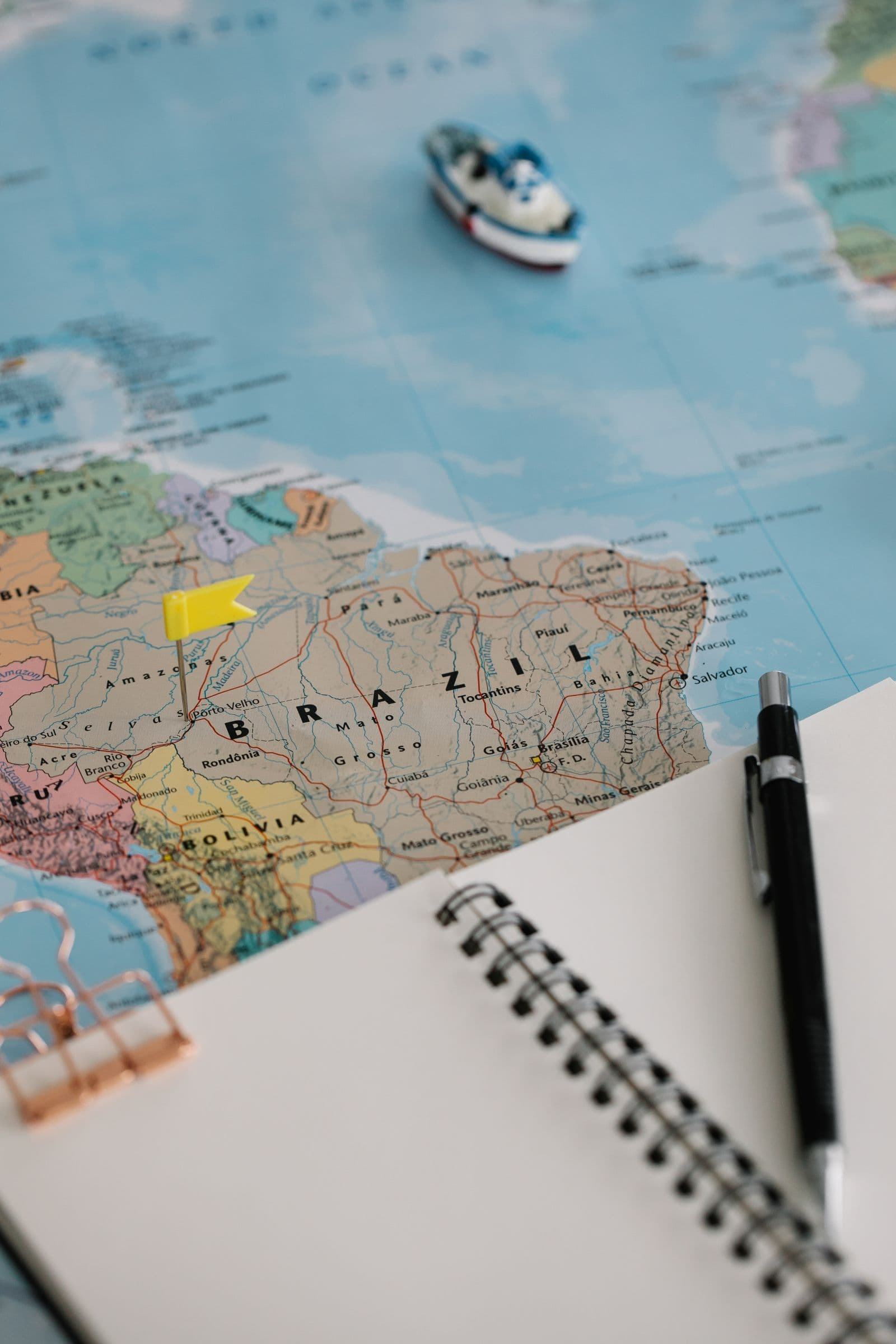
Brazil is too large and varied for "best destination" advice without context. The right first stop depends on trip length, flight geography, appetite for transfers, preferred landscapes, and the kind of cultural experience you want. Use this page as the hub for Stopover's 27 state and district guides.
Start with five decisions
- Available nights: count nights at the destination, not the number of calendar dates on the ticket.
- One primary interest: city culture, coast, food, wildlife, hiking, or a relaxed base. A trip can include more, but one interest should control the route.
- Transfer tolerance: decide whether a four-hour road or boat transfer is an experience you want or a cost you resent.
- Weather flexibility: beaches, waterfalls, wildlife, and mountain views all need alternatives.
- Gateway reality: compare where your international flight lands with the domestic connection, terminal change, and baggage rules.
Quick match by travel style
| If your priority is... | Start researching... |
|---|---|
| Major-city culture and food | São Paulo, Rio de Janeiro, Brasília, or Belo Horizonte in Minas Gerais |
| Afro-Brazilian history | Bahia, Pernambuco, or Maranhão |
| Amazon food and river culture | Pará, Amazonas, Amapá, or Acre |
| Wildlife | Mato Grosso, Mato Grosso do Sul, or Amazonas |
| A compact coast route | Alagoas, Paraíba, Sergipe, Espírito Santo, or Rio Grande do Norte |
| Historic towns | Minas Gerais, Goiás, Pernambuco, Bahia, Maranhão, or Sergipe |
| Cooler weather and wine country | Rio Grande do Sul, Santa Catarina, or Paraná |
| Remote cerrado landscapes | Tocantins, Goiás, Piauí, or Mato Grosso |
North
Choose the North for Amazon rivers, forest and savanna landscapes, regional food, and travel where boats or long roads shape the schedule.
- Acre: Amazon history, small museums, river landscapes, and slow trips built around local guides rather than a long checklist.
- Amapá: Travelers curious about the Amazon estuary, borderland history, marabaixo culture, and a capital that feels oriented toward the river.
- Amazonas: River landscapes, rainforest interpretation, Amazonian food, historic architecture, and travelers willing to book responsible guided experiences.
- Pará: Markets, Amazonian cuisine, river islands, music, colonial architecture, ceramics, and travelers who organize days around heat and rain.
- Rondônia: Amazon river history, railway heritage, regional fish, borderland travel, and visitors comfortable with low-infrastructure itineraries.
- Roraima: Savanna scenery, waterfalls, geology, borderland culture, and expedition travelers prepared for guides, permits, and long transfers.
- Tocantins: Cerrado landscapes, expedition-style road trips, waterfalls, golden-grass craft, river beaches, and travelers comfortable with heat and rough roads.
Northeast
Choose the Northeast for Afro-Brazilian and sertão cultures, historic cities, a varied coast, dunes, caatinga, and strong regional food.
- Alagoas: Warm-water beaches, short coastal road trips, seafood, and travelers who can plan around tides without filling every day with boat tours.
- Bahia: Afro-Brazilian history and culture, music, street food, colonial architecture, beaches, and hiking on a longer second route.
- Ceará: Windy beaches, seafood, music and comedy culture, dune landscapes, and road trips with one well-chosen coastal base.
- Maranhão: Historic streets, distinctive music and food, dune trekking, lagoons, river excursions, and trips that combine culture with nature.
- Paraíba: A relaxed city-and-beach break, colonial architecture, regional music, northeastern food, and shorter transfers than larger states require.
- Pernambuco: History, visual arts, frevo and maracatu, urban food, beaches, and travelers who want culture to carry as much weight as the coast.
- Piauí: Archaeology, rock art, caatinga and cerrado landscapes, delta wildlife, quiet beaches, and distinctive sertão food.
- Rio Grande do Norte: Dunes, warm beaches, seafood, wind sports, short coastal stays, and travelers who enjoy a relaxed daily rhythm.
- Sergipe: Short cultural road trips, crab and seafood, river landscapes, relaxed urban beaches, and travelers who prefer manageable distances.
Central-West
Choose the Central-West for cerrado, Pantanal wildlife, modern Brasília, clear-water rivers, and road-based nature itineraries.
- Brasília: Modern architecture, urbanism, political history, contemporary culture, and travelers who enjoy reading how a city was designed.
- Goiás: Historic towns, cerrado hiking, regional food, waterfalls, and self-drive travelers who prefer small cities to resort corridors.
- Mato Grosso do Sul: Wildlife observation, snorkeling in freshwater rivers, ranch stays, birding, and travelers comfortable booking timed nature activities.
- Mato Grosso: Cerrado scenery, Pantanal wildlife, freshwater activities, regional fish, and road trips based from Cuiabá.
Southeast
Choose the Southeast for major cities, museums, colonial history, mountains, Atlantic Forest, food, and the country's densest transport network.
- Espírito Santo: Seafood, manageable road trips, beaches, mountain scenery, and travelers who want a less internationally marketed Southeast destination.
- Minas Gerais: Food-led travel, colonial and independence-era history, art, mountain towns, coffee, and road trips with frequent cultural stops.
- Rio de Janeiro: Urban beaches, dramatic landscapes, samba and art, modern and imperial history, coastal road trips, and travelers who enjoy combining city and nature.
- São Paulo: Museums, architecture, nightlife, global and regional food, design, football culture, and travelers who enjoy dense urban neighborhoods.
South
Choose the South for cooler-weather variety, canyons, Atlantic Forest, wine regions, waterfalls, and European-Brazilian migration histories.
- Paraná: Urban culture, waterfalls, Atlantic Forest, rail and road scenery, diverse immigrant food traditions, and cooler-weather travel.
- Rio Grande do Sul: Wine and food, cooler weather, road trips, gaucho history, immigrant heritage, and landscapes unlike tropical stereotypes of Brazil.
- Santa Catarina: Beaches, seafood, surfing, whale-watching in season, hiking, road trips, and food shaped by Azorean and European migration.
Match destination to trip length
Four or five nights: choose one city or one compact coast. Good examples are São Paulo city, Rio city, Brasília, João Pessoa, Aracaju, Maceió plus one coast, or Florianópolis island.
Seven to ten nights: combine one gateway with a second base, such as Salvador and Cachoeira, Belém and Marajó, Curitiba and Morretes, or Porto Alegre and the Serra Gaúcha.
Two weeks or more: a multi-region route becomes reasonable, but only if the connections form a line rather than repeated returns through São Paulo or Brasília. Use the multi-region itinerary guide before buying separate tickets.
Calculate the real connection cost
A cheap domestic fare can require a hotel night, airport transfer, checked-bag fee, and a lost sightseeing day. Compare the complete door-to-door journey against a bus or a more direct destination. The shared guides to domestic flights and long-distance buses hold the booking details.
Keep each region internally coherent
Write one sentence describing why every stop belongs in the trip. "Rio and Minas for urban landscapes, food, and colonial history" is coherent; "Rio, Manaus, and Fernando de Noronha because they are famous" is only a list. Within each region, choose bases that share a road, rail, river, or nonstop-flight corridor. If the second stop requires returning through the first gateway, count that backtrack honestly. It may still be worthwhile, but it should compete against spending those nights more deeply in the first region.
Avoid the "Brazil sampler" mistake
Rio, the Amazon, Iguaçu Falls, Salvador, and the Northeast coast do not form a compact loop. Seeing all of them in ten days usually means airports become the main attraction. A first trip is stronger when it has one regional story and an open day for the place that surprises you.
How this guide was checked
StopOver built this comparison from the same structured profiles used by the 27 state guides. Automated checks inspect formatting, repeated prose, commercial recommendations, and high-risk or time-sensitive claims. This is neither a field report nor a source-checked guide. Gateway and transport availability remain on the freshness list and must be confirmed before booking.
Final selection checklist
- Can you name the first base and the second base, if any?
- Is the main attraction in the same transport zone as the airport?
- Does the route still work if one outdoor day is lost?
- Have you checked the exact municipality's climate rather than "Brazil weather"?
- Is the food, history, or landscape you care about part of ordinary days, rather than limited to one expensive excursion?
- Can you explain why this destination fits you better than the most famous alternative?
Once those answers are clear, open the linked state guide and build around its route, five-day itinerary, and booking checklist.