

Itinerary timeline
Amapá sits at the mouth of the Amazon and remains disconnected from Brazil's national highway network. A first trip is centered on Macapá, where equatorial geography, river life, Afro-Amazonian culture, and the Fortaleza de São José provide a coherent introduction.
Start with the route
Base in Macapá for at least three nights, then add Santana, Curiaú, or Mazagão as a prearranged day trip. Tumucumaque and Bailique are expedition-scale destinations and should not be presented as casual add-ons.
Amapá at a glance
| Planning question | Useful answer |
|---|---|
| Region | North Brazil |
| Easiest first base | Macapá |
| Best second base | Santana |
| Route style | Travelers curious about the Amazon estuary, borderland history, marabaixo culture, and a capital that feels oriented toward the river. |
| Route decision | Curiaú and marabaixo context |
Choose a base
Base: Macapá
The essential first base for the fortress, equator monument, museums, and riverfront.
Base: Santana
Useful for port connections and some river departures, but usually visited from Macapá.
Base: Mazagão
A cultural-history extension that needs advance checking around transport and community events.
For a first trip, Macapá and Santana make the clearest pair. Before splitting the stay, map the journey from Macapá to Santana door to door: pickup point, luggage rules, expected arrival, and the return connection.
What to see
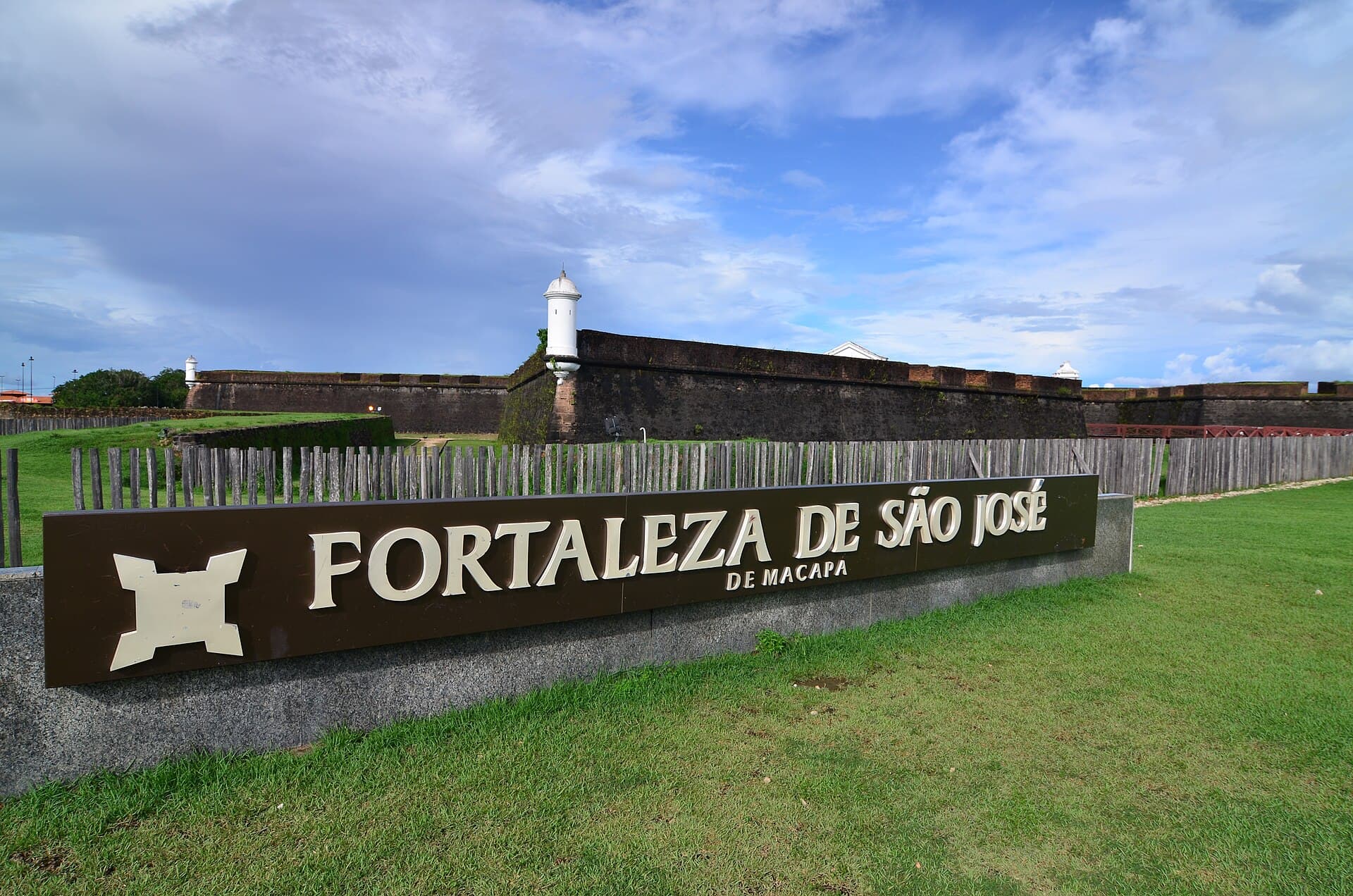
Fortaleza de São José de Macapá
The star-shaped riverside fort anchors the colonial history of the Amazon estuary. Pair it with the nearby waterfront rather than treating it as an isolated photo stop.
Marco Zero do Equador
The monument marks the equator and helps explain Macapá's unusual geography. The equinox spectacle is date-specific, but the site and surrounding area are useful year-round.
Museu Sacaca
The open-air museum interprets Amapá's riverside, Indigenous, and extractive ways of life. Verify exhibition access and allow enough time for the outdoor route.
Curiaú and marabaixo context
Curiaú is a quilombola territory, not a theme park. Visit only through respectful, locally arranged experiences and understand marabaixo as a living cultural tradition rather than a scheduled performance for outsiders.
Five-day itinerary
The outline below uses Macapá and Santana as its planning bases. Read the day sequence before adding Curiaú and marabaixo context; it shows whether that decision belongs inside these five days or needs a separate itinerary.
| Day | Base or focus |
|---|---|
| 1 | Historic Macapá |
| 2 | Equator and Museu Sacaca |
| 3 | Santana and the port landscape |
| 4 | Community or cultural day |
| 5 | Flexible riverfront day |
A late arrival in Macapá should count as check-in rather than a sightseeing day. Protect the return from Santana instead of squeezing another stop into the final transfer.
Day 1: Historic Macapá
Start at Fortaleza de São José, continue along the Amazon riverfront, and visit the central market area. Use the day to understand the city's orientation to the river.
Day 2: Equator and Museu Sacaca
Visit Marco Zero when heat is manageable, then give Museu Sacaca a substantial block. Keep an indoor alternative if heavy rain arrives.
Day 3: Santana and the port landscape
Travel to Santana with a clear return plan. Focus on the river, commerce, and everyday urban connection between the two cities rather than seeking an artificial attraction list.
Day 4: Community or cultural day
Arrange a responsible Curiaú visit or explore more of Macapá's cultural institutions. Never arrive in a traditional community expecting access to ceremonies or private spaces.
Day 5: Flexible riverfront day
Keep the final day open for a weather-delayed museum, a local food circuit, or a prebooked short river outing with a registered operator.
Extend the route without breaking it
If you add nights to Amapá, use them to resolve the main route decision: Curiaú and marabaixo context. If the Amapá day-by-day plan already covers that decision, slow the transfer and add recovery time; otherwise, give the extension its own arrival, useful day, and return.
Food and drink
Meals in Amapá are built around river fish, shrimp, cassava, açaí, and forest fruit. The most revealing order may be a simple fish plate with açaí and farinha. Ask before sweetening açaí: the local savory style is part of the experience, not an unfinished version of a dessert bowl.
| Look for | What to know |
|---|---|
| Açaí with fish and farinha | A savory staple in the Amazon estuary; ask whether sugar is added and try it alongside fried or grilled fish. |
| Camarão no bafo | Small shrimp steamed in the shell and eaten communally, often with lime and farinha. |
| Filhote | A large Amazonian catfish valued for its firm flesh and served grilled, fried, or in caldeirada. |
| Tacacá | Tucupi broth with jambu and shrimp, commonly served in a cuia as an evening snack. |
| Maniçoba | A long-cooked dish made from manioc leaves and meats. Its preparation is specialized; eat it from an established kitchen. |
| Cupuaçu and bacuri | Two aromatic Amazon fruits used in juices and desserts; availability and intensity vary by season. |
In Amapá, restaurant names and prices age quickly. Use Açaí with fish and farinha, Camarão no bafo, and the other dishes above as menu reference points rather than fixed venue recommendations.
When to go
The equatorial climate is hot and humid. Heavier rain can affect roads, boats, and outdoor plans, while the drier period can feel hotter. The Amazon's tides influence waterfront activity, so local timing matters even on a city-focused trip.
Conditions can differ across Amapá. Check the forecast for each travel day and verify current access, transport, and any booking or guide requirements for Curiaú and marabaixo context separately.
Getting around
Macapá receives flights, and Santana is the principal nearby port. There is no road connection from Amapá to the rest of Brazil, although roads link communities within the state. Use registered boats or known operators and confirm return arrangements before river travel.
Calculate the full cost from Macapá to Santana, including pickup, luggage, waiting time, and the return.
What to confirm before booking
- Current access, opening days, and guide requirements for Fortaleza de São José de Macapá.
- The complete transfer between Macapá and Santana, including the return.
- Current access, transport, and any booking or guide requirements for Curiaú and marabaixo context.
- Road, river, tide, fire, and weather conditions that could change this Amapá route.
How this guide was checked
StopOver built this Amapá route from a structured destination profile. For Amapá, automated checks cover formatting, repeated prose, commercial recommendations, and time-sensitive claims. This Amapá article is neither a field report nor a source-checked guide. Access to Fortaleza de São José de Macapá remains on the freshness list. StopOver also monitors current access, transport, and any booking or guide requirements for Curiaú and marabaixo context. Confirm each item before booking.
Common questions
What is the most practical first base?
The five-day outline starts in Macapá and treats Santana as its second base. Travelers focused on Santana should compare direct arrival and transfer options before adding a night in Macapá.
What should a short trip leave out?
Remove the stop with the weakest connection to Macapá and Santana. For a five-day Amapá trip, test Curiaú and marabaixo context first and keep it only when the day-by-day transport and return buffer still work.