

Itinerary timeline
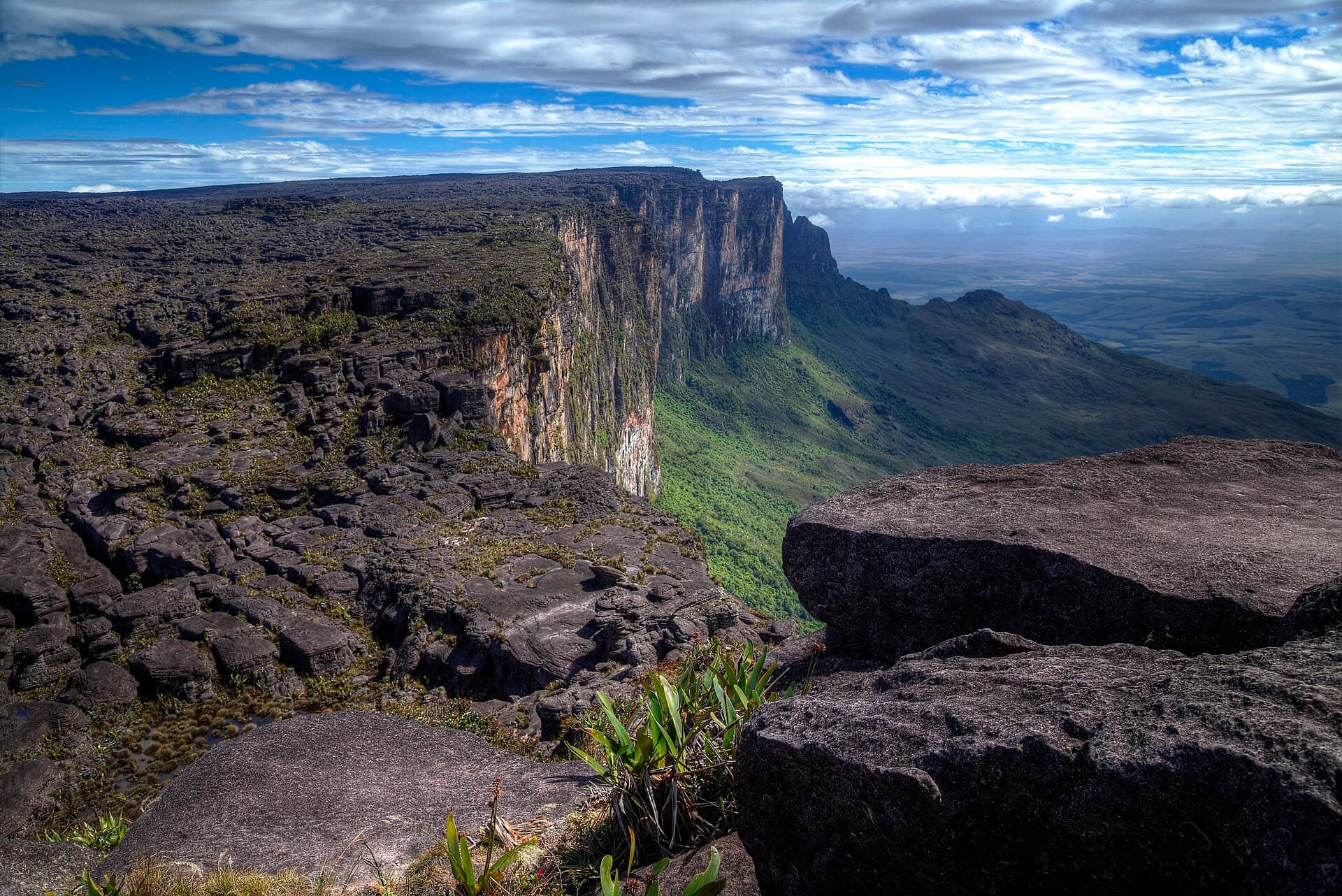
Roraima combines Boa Vista's planned river city, northern savanna known locally as lavrado, rainforest, border cultures, and the table-mountain landscape of Mount Roraima. Indigenous territories cover significant parts of the state and require respect for community and legal authority.
Start with the route
Use Boa Vista and Serra do Tepequém for a five-day first trip. Mount Roraima is a separate multi-day trek commonly organized through specialized operators and cross-border logistics; it cannot be inserted into a short city itinerary.
Roraima at a glance
| Planning question | Useful answer |
|---|---|
| Region | North Brazil |
| Easiest first base | Boa Vista |
| Best second base | Serra do Tepequém |
| Route style | Savanna scenery, waterfalls, geology, borderland culture, and expedition travelers prepared for guides, permits, and long transfers. |
| Route decision | Mount Roraima |
Choose a base
Base: Boa Vista
Best for flights, the Branco River, markets, and arranging any onward route.
Base: Serra do Tepequém
Best for a two-night small-community stay near waterfalls and former mining landscapes.
Base: Pacaraima
A border transit point for specific expeditions, not an attraction to add without current documentation planning.
For a first trip, Boa Vista and Serra do Tepequém make the clearest pair. Before splitting the stay, map the journey from Boa Vista to Serra do Tepequém door to door: pickup point, luggage rules, expected arrival, and the return connection.
What to see
Boa Vista and the Branco River
The radial city plan, Orla Taumanan area, markets, and river landscape introduce Roraima's geography. Plan outdoor time around heat.
Serra do Tepequém
Waterfalls, viewpoints, and traces of diamond mining make a manageable nature extension. Local road and trail conditions determine what is safe.
Mount Roraima
The tepui is an expedition with demanding trekking, weather, guides, and border considerations. Use a specialized legal operator and allow far more than five days.
Indigenous cultures and territories
Roraima is home to Macuxi, Wapichana, Yanomami, Ingarikó, and other peoples. Cultural contact must be community-led; Indigenous land is not open wilderness for independent tourism.
Five-day itinerary
The outline below uses Boa Vista and Serra do Tepequém as its planning bases. Mount Roraima is not part of this five-day route and requires a separate itinerary.
| Day | Base or focus |
|---|---|
| 1 | Boa Vista orientation |
| 2 | Culture and local food |
| 3 | Travel to Tepequém |
| 4 | Tepequém landscape |
| 5 | Return to Boa Vista |
A late arrival in Boa Vista should count as check-in rather than a sightseeing day. Protect the return from Serra do Tepequém instead of squeezing another stop into the final transfer.
Day 1: Boa Vista orientation
Walk a selected Branco River and civic-center route, visit a market, and learn how the lavrado differs from rainforest stereotypes.
Day 2: Culture and local food
Choose an open museum or cultural center, eat a Roraima plate, and confirm the Tepequém road and accommodation directly.
Day 3: Travel to Tepequém
Leave early, settle in the village, and use a local guide for one short waterfall or viewpoint route.
Day 4: Tepequém landscape
Complete one longer trail suited to current weather and ability, with water and a clear return before dark.
Day 5: Return to Boa Vista
Protect the road transfer and use spare time for the riverfront. Mount Roraima remains a separate expedition.
Extend the route without breaking it
Do not extend this five-day Roraima plan toward Mount Roraima. Build a separate itinerary, then verify authorization from the relevant community and legal authorities, the specialist operator, border formalities, and the complete Mount Roraima schedule before considering the expedition.
Food and drink
Roraima food reflects Indigenous knowledge, cattle and savanna life, Amazon rivers, migration, and borders with Guyana and Venezuela. Do not describe sacred or community foods as exotic dares. Ask who prepared a dish, what ingredients it contains, and whether photography is welcome.
| Look for | What to know |
|---|---|
| Damurida | An Indigenous pepper-rich broth or stew with fish or game in traditional contexts. Try it only where it is offered appropriately and ask about heat. |
| Paçoca com banana | Pounded dried meat and cassava flour eaten with banana, balancing salt, dryness, and sweetness. |
| Fish from the Branco River basin | Species and availability vary; ask for the day's fish and whether it is grilled, fried, or stewed. |
| Tapioca | Cassava crepes with cheese, meat, coconut, or sweet fillings, useful for breakfast. |
| Buriti | A lavrado palm fruit used in juices, sweets, and oils, with a deep orange color. |
| Cupuaçu and açaí | Amazon fruits served in juices and desserts, with sweetness adjusted by the vendor. |
In Roraima, restaurant names and prices age quickly. Use Damurida, Paçoca com banana, and the other dishes above as menu reference points rather than fixed venue recommendations.
When to go
Roraima's rainfall pattern differs from much of Brazil, and trail conditions vary between the savanna, Tepequém, and the far north. Heat, river levels, and road surfaces should be checked for the exact route.
Conditions can differ across Roraima. Check the forecast for each travel day and verify authorization from the relevant community and legal authorities, the specialist operator, border formalities, and the complete Mount Roraima schedule separately.
Getting around
Boa Vista is the main air and road hub. A car or transfer is needed for Tepequém. Border and Indigenous-land routes may involve official controls; never rely on an unverified shortcut or informal promise of access.
Calculate the full cost from Boa Vista to Serra do Tepequém, including pickup, luggage, waiting time, and the return.
What to confirm before booking
- Current access, opening days, and guide requirements for Boa Vista and the Branco River.
- The complete transfer between Boa Vista and Serra do Tepequém, including the return.
- Authorization from the relevant community and legal authorities, the specialist operator, border formalities, and the complete Mount Roraima schedule.
- Road, river, tide, fire, and weather conditions that could change this Roraima route.
How this guide was checked
StopOver built this Roraima route from a structured destination profile. For Roraima, automated checks cover formatting, repeated prose, commercial recommendations, and time-sensitive claims. This Roraima article is neither a field report nor a source-checked guide. Access to Boa Vista and the Branco River remains on the freshness list. StopOver also monitors authorization from the relevant community and legal authorities, the specialist operator, border formalities, and the complete Mount Roraima schedule. Confirm each item before booking.
Common questions
What is the most practical first base?
The five-day outline starts in Boa Vista and treats Serra do Tepequém as its second base. Travelers focused on Serra do Tepequém should compare direct arrival and transfer options before adding a night in Boa Vista.
What should a short trip leave out?
Leave Mount Roraima out of this five-day Roraima route. It needs a separate itinerary with authorization from the relevant community and legal authorities, the specialist operator, border formalities, and the complete Mount Roraima schedule.