

Itinerary timeline
Acre is a good fit for travelers interested in Amazon history and forest livelihoods, especially those willing to move slowly with local guides. Rio Branco and Xapuri form the most realistic first route; Serra do Divisor belongs to a separate expedition based around Cruzeiro do Sul and Mâncio Lima.
Start with the route
Use Rio Branco as the arrival base, add two nights around Xapuri, and resist attaching Serra do Divisor to the same short trip. The western park requires its own transport, boat planning, and several contingency days.
Acre at a glance
| Planning question | Useful answer |
|---|---|
| Region | North Brazil |
| Easiest first base | Rio Branco |
| Best second base | Xapuri |
| Route style | Amazon history, small museums, river landscapes, and slow trips built around local guides rather than a long checklist. |
| Route decision | Serra do Divisor National Park |
Choose a base
Base: Rio Branco
Best for a first arrival, the rubber-era history circuit, markets, and arranging onward transport.
Base: Xapuri
Best for the Chico Mendes story, extractive-reserve context, and a quieter small-town stay.
Base: Cruzeiro do Sul
A separate gateway for the Juruá valley and carefully planned trips toward Serra do Divisor.
For a first trip, Rio Branco and Xapuri make the clearest pair. Before splitting the stay, map the journey from Rio Branco to Xapuri door to door: pickup point, luggage rules, expected arrival, and the return connection.
What to see
Rio Branco history circuit
Connect Museu da Borracha, the Gameleira riverfront, Palácio Rio Branco, and Mercado Velho to understand how rubber, migration, and border history shaped the state. Check each venue's current opening days before building the order.
Xapuri and the Chico Mendes story
Visit the town for Casa Chico Mendes and the wider history of rubber tappers and forest conservation. A guide can explain that history and help distinguish public visitor sites from working communities.
Acre geoglyphs
Large pre-Columbian earthworks have changed what researchers understand about occupation in southwestern Amazonia. Visitor access varies because many sites lie on private land or have conservation restrictions, so arrange a legitimate guided visit rather than navigating to coordinates independently.
Serra do Divisor National Park
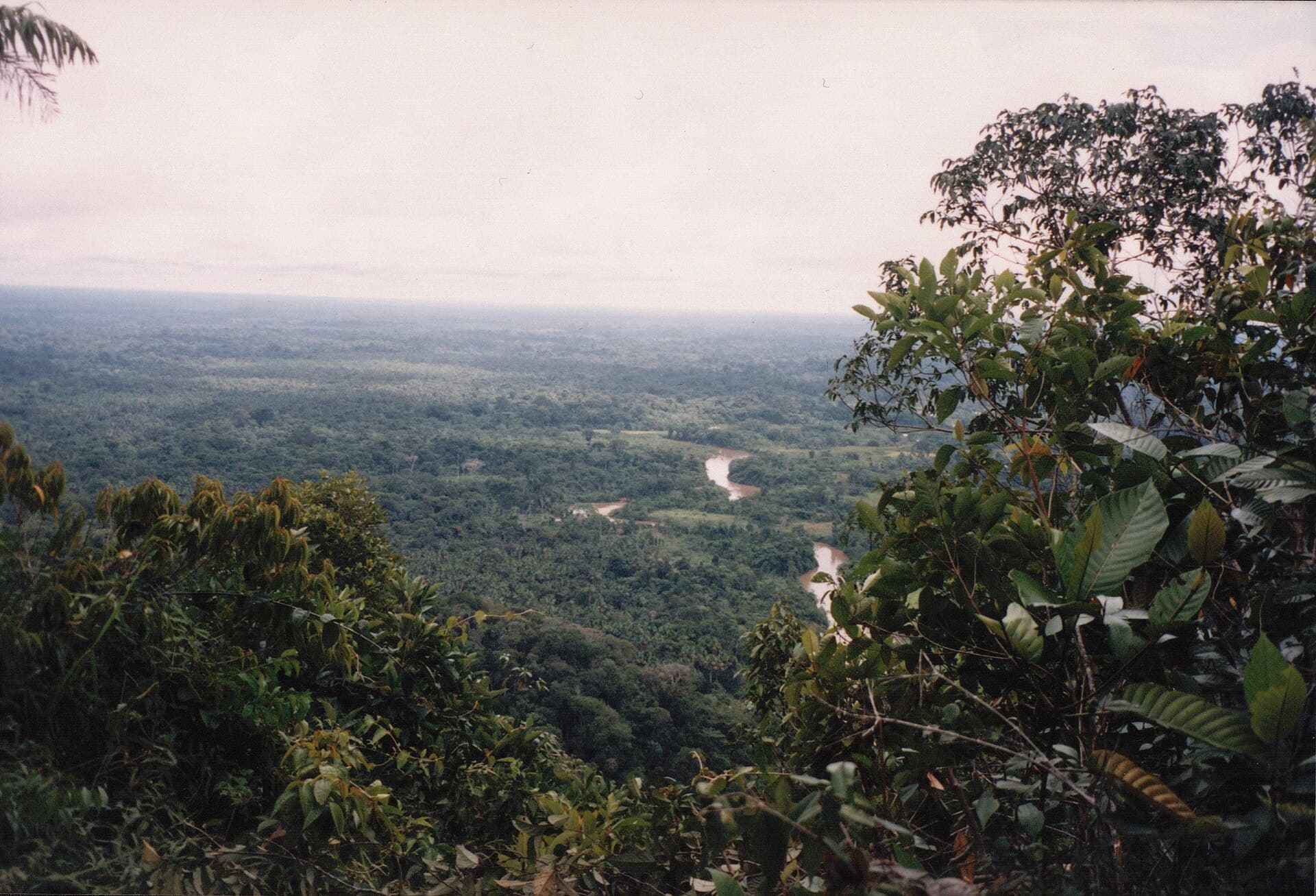
This remote park of forested ridges, rivers, and waterfalls is not a casual day trip from Rio Branco. Treat it as a multi-day expedition, verify current ICMBio guidance, and use experienced operators based in the Juruá region.
Five-day itinerary
The outline below uses Rio Branco and Xapuri as its planning bases. Read the day sequence before adding Serra do Divisor National Park; it shows whether that decision belongs inside these five days or needs a separate itinerary.
| Day | Base or focus |
|---|---|
| 1 | Arrive in Rio Branco and read the city |
| 2 | Rio Branco beyond the postcard |
| 3 | Travel to Xapuri |
| 4 | Forest-livelihood context near Xapuri |
| 5 | Return to Rio Branco |
A late arrival in Rio Branco should count as check-in rather than a sightseeing day. Protect the return from Xapuri instead of squeezing another stop into the final transfer.
Day 1: Arrive in Rio Branco and read the city
Settle near the center, walk the Gameleira riverfront, and use Museu da Borracha or Palácio Rio Branco to establish the historical timeline. End at Mercado Velho for a first look at regional ingredients.
Day 2: Rio Branco beyond the postcard
Visit Parque Ambiental Chico Mendes or another open cultural institution, then spend time in the market district. Confirm the next morning's road transfer directly with the operator.
Day 3: Travel to Xapuri
Leave early for Xapuri, check in, and explore the compact town center and Casa Chico Mendes. Keep the afternoon unhurried so the history is more than a photo stop.
Day 4: Forest-livelihood context near Xapuri
Take a prearranged visit focused on rubber-tapper history or an authorized extractive-reserve experience. Ask who runs the visit, what the community receives, and what photography is appropriate.
Day 5: Return to Rio Branco
Use the return day as a transport buffer. If timing is comfortable, revisit the riverfront or shop for locally produced forest goods with clear origin information.
Extend the route without breaking it
If you add nights to Acre, use them to resolve the main route decision: Serra do Divisor National Park. If the Acre day-by-day plan already covers that decision, slow the transfer and add recovery time; otherwise, give the extension its own arrival, useful day, and return.
Food and drink
Acre's table combines Indigenous and Amazonian ingredients with northeastern migration and border influences from Peru and Bolivia. Markets are more useful than a checklist of upscale restaurants: go early, ask what is seasonal, and notice whether açaí, fish, cassava flour, and fruit are being eaten as a meal or snack.
| Look for | What to know |
|---|---|
| Baixaria | A filling Acre breakfast built from couscous, ground beef, egg, and tomato; look for it in markets and simple morning cafés. |
| Pirarucu | Amazonian fish served grilled, fried, or in stews. Ask about the cut, preparation, and legal source rather than assuming every menu uses the same supply chain. |
| Tacacá | A hot broth based on tucupi and jambu, commonly served with shrimp. It is a snack with a distinctive numbing sensation from the jambu leaf. |
| Açaí with farinha | In the western Amazon, açaí can accompany savory food rather than arrive as a sweet frozen bowl. Sugar and granola are not the only reference point. |
| Saltenha | A baked filled pastry reflecting Acre's border connections with Bolivia; versions vary in meat, spice, and juiciness. |
| Cupuaçu | A fragrant Amazon fruit used in juice, creams, ice cream, and sweets, with a tartness that balances condensed milk. |
In Acre, restaurant names and prices age quickly. Use Baixaria, Pirarucu, and the other dishes above as menu reference points rather than fixed venue recommendations.
When to go
Acre is hot and humid year-round. Rain changes road and river conditions, while drier months can make overland movement easier but may bring smoke during severe regional fire seasons. Check forecasts and official environmental alerts shortly before travel.
Conditions can differ across Acre. Check the forecast for each travel day and verify current access, transport, and any booking or guide requirements for Serra do Divisor National Park separately.
Getting around
Rio Branco is the main air gateway. Intercity buses and hired transfers connect Rio Branco with Xapuri and Brasileia; remote forest visits require arrangements with an established local operator. Do not assume mobile coverage or same-day return transport outside the capital corridor.
Calculate the full cost from Rio Branco to Xapuri, including pickup, luggage, waiting time, and the return.
What to confirm before booking
- Current access, opening days, and guide requirements for Rio Branco history circuit.
- The complete transfer between Rio Branco and Xapuri, including the return.
- Current access, transport, and any booking or guide requirements for Serra do Divisor National Park.
- Road, river, tide, fire, and weather conditions that could change this Acre route.
How this guide was checked
StopOver built this Acre route from a structured destination profile. For Acre, automated checks cover formatting, repeated prose, commercial recommendations, and time-sensitive claims. This Acre article is neither a field report nor a source-checked guide. Access to Rio Branco history circuit remains on the freshness list. StopOver also monitors current access, transport, and any booking or guide requirements for Serra do Divisor National Park. Confirm each item before booking.
Common questions
What is the most practical first base?
The five-day outline starts in Rio Branco and treats Xapuri as its second base. Travelers focused on Xapuri should compare direct arrival and transfer options before adding a night in Rio Branco.
What should a short trip leave out?
Remove the stop with the weakest connection to Rio Branco and Xapuri. For a five-day Acre trip, test Serra do Divisor National Park first and keep it only when the day-by-day transport and return buffer still work.