

Itinerary timeline
Rondônia's travel story follows the Madeira River, the Madeira–Mamoré railway, successive migration waves, and Amazonian food. Porto Velho is the practical first base; Guajará-Mirim and protected areas require long road travel and more local coordination.
Start with the route
Spend two or three days in Porto Velho, then add Guajará-Mirim only after confirming road transport and current heritage access. Remote reserves are not casual sightseeing destinations and may have strict or no public access.
Rondônia at a glance
| Planning question | Useful answer |
|---|---|
| Region | North Brazil |
| Easiest first base | Porto Velho |
| Best second base | Guajará-Mirim |
| Route style | Amazon river history, railway heritage, regional fish, borderland travel, and visitors comfortable with low-infrastructure itineraries. |
| Route decision | the public Porto Velho to Guajará-Mirim route |
Choose a base
Base: Porto Velho
Best for flights, Madeira River history, markets, and the railway heritage circuit.
Base: Guajará-Mirim
A distant border base with its own railway and river context, requiring confirmed overland logistics.
Base: Ariquemes or Ji-Paraná
Functional interior stops rather than default tourist bases, useful only for a specific route or contact.
For a first trip, Porto Velho and Guajará-Mirim make the clearest pair. Before splitting the stay, map the journey from Porto Velho to Guajará-Mirim door to door: pickup point, luggage rules, expected arrival, and the return connection.
What to see
Madeira–Mamoré railway heritage
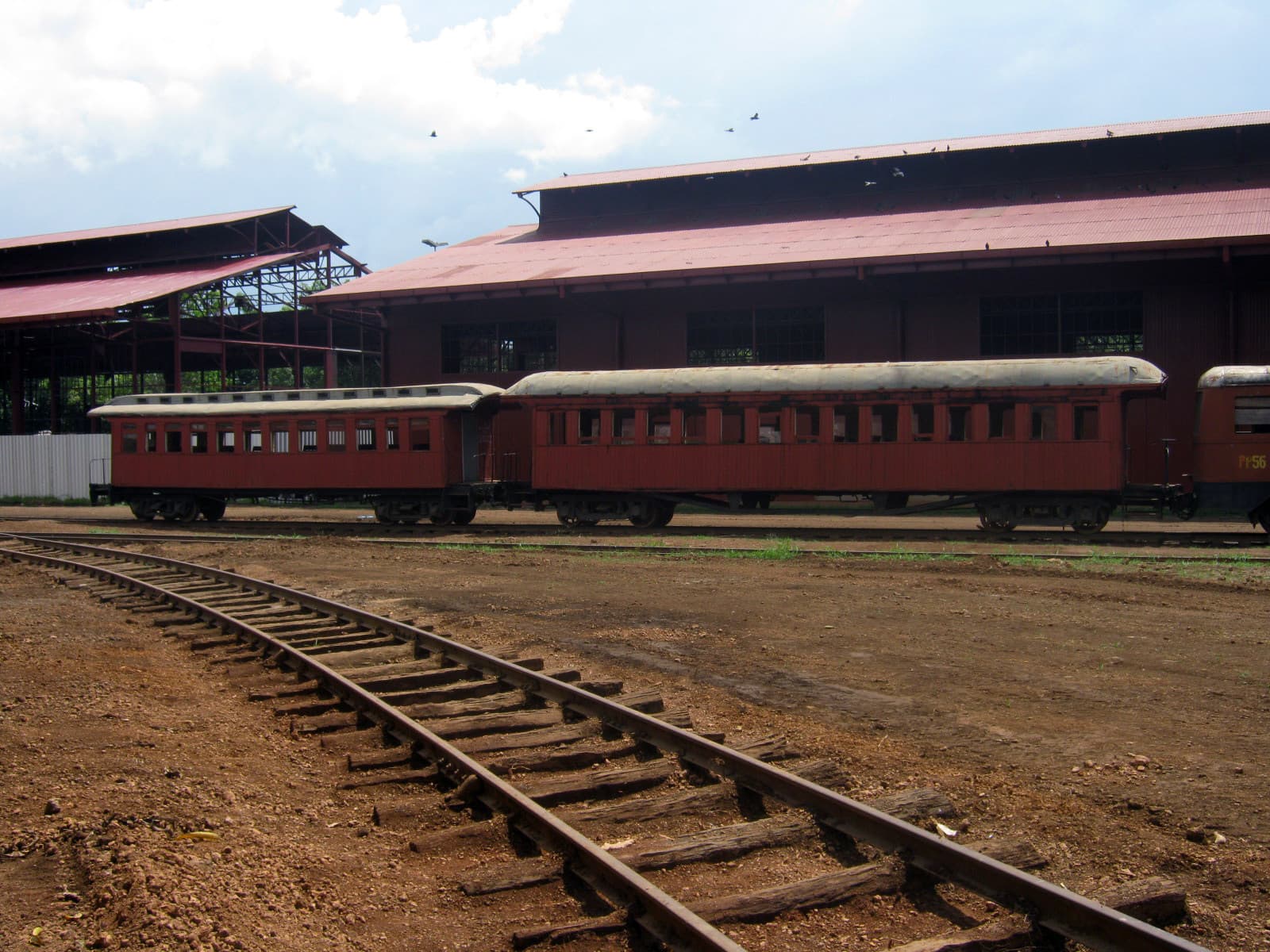
The railway complex tells a difficult story of engineering, disease, labor, and Amazon extraction. Check which museum and riverfront areas are currently restored and open.
Madeira River waterfront
Markets, boats, and viewpoints reveal Porto Velho's reason for being. Use local advice around safe walking areas and river excursions.
Guajará-Mirim
The border city connects railway history, the Mamoré River, and Bolivian exchange. Border-document rules and boat services are time-sensitive and must be verified officially.
Protected forest and Indigenous territories
Rondônia contains important conservation areas and Indigenous lands, many not open to tourism. Never enter based on an informal invitation or online coordinates; respect official and community authority.
Five-day itinerary
The outline below uses Porto Velho and Guajará-Mirim as its planning bases. Read the day sequence before adding the public Porto Velho to Guajará-Mirim route; it shows whether that decision belongs inside these five days or needs a separate itinerary.
| Day | Base or focus |
|---|---|
| 1 | Porto Velho river and rail history |
| 2 | Markets and Madeira River |
| 3 | Road to Guajará-Mirim |
| 4 | Guajará-Mirim context |
| 5 | Return buffer |
A late arrival in Porto Velho should count as check-in rather than a sightseeing day. Protect the return from Guajará-Mirim instead of squeezing another stop into the final transfer.
Day 1: Porto Velho river and rail history
Visit currently open parts of the railway complex and waterfront, then use a museum or guide to establish the historical context.
Day 2: Markets and Madeira River
Go to a market for fish and fruit, then take only a registered short river outing with clear safety equipment and return time.
Day 3: Road to Guajará-Mirim
Travel early on a confirmed service, check in, and explore the center and riverfront before dark. Road conditions determine how ambitious this day can be.
Day 4: Guajará-Mirim context
Focus on railway remains, local history, and the Mamoré landscape. Cross-border travel is optional and requires current official documentation checks.
Day 5: Return buffer
Use the full day for the road back to Porto Velho. Do not schedule a close flight connection after a long Amazon road segment.
Extend the route without breaking it
If you add nights to Rondônia, use them to resolve the main route decision: the public Porto Velho to Guajará-Mirim route. If the Rondônia day-by-day plan already covers that decision, slow the transfer and add recovery time; otherwise, give the extension its own arrival, useful day, and return.
Food and drink
Rondônia cuisine blends Amazonian ingredients with food brought by migrants from many Brazilian regions and neighboring Bolivia. A market fish lunch is more representative than searching for one “official” dish. Remote routes have limited alternatives, so dietary needs should be agreed with hosts before departure.
| Look for | What to know |
|---|---|
| Tambaqui | An Amazon fish commonly roasted or fried, with large ribs and rich flesh. |
| Pirarucu | Served grilled, salted, or in stews; ask about source and preparation. |
| Caldeirada de peixe | A river-fish stew with vegetables, herbs, and broth thickened into pirão at the table. |
| Tacacá | Tucupi and jambu broth with shrimp, reflecting wider Amazonian food traditions. |
| Açaí with farinha | A savory accompaniment to fish in traditional contexts, often far less sweet than export versions. |
| Cupuaçu and buriti | Forest and palm fruits used in juices, creams, sweets, and ice cream. |
In Rondônia, restaurant names and prices age quickly. Use Tambaqui, Pirarucu, and the other dishes above as menu reference points rather than fixed venue recommendations.
When to go
Heavy rain can affect roads, river operations, and outdoor sites. The drier period can bring high heat and regional smoke. Monitor official alerts and keep a full transfer buffer.
Conditions can differ across Rondônia. Check the forecast for each travel day and verify the return connection between Porto Velho and Guajará-Mirim separately.
Getting around
Porto Velho is the main air gateway. Long-distance buses and road transfers connect Guajará-Mirim and interior towns. River transport must be arranged through established providers with clear vessel and return details.
Calculate the full cost from Porto Velho to Guajará-Mirim, including pickup, luggage, waiting time, and the return.
What to confirm before booking
- Current access, opening days, and guide requirements for Madeira–Mamoré railway heritage.
- The complete transfer between Porto Velho and Guajará-Mirim, including the return.
- The return connection between Porto Velho and Guajará-Mirim.
- Road, river, tide, fire, and weather conditions that could change this Rondônia route.
How this guide was checked
StopOver built this Rondônia route from a structured destination profile. For Rondônia, automated checks cover formatting, repeated prose, commercial recommendations, and time-sensitive claims. This Rondônia article is neither a field report nor a source-checked guide. Access to Madeira–Mamoré railway heritage remains on the freshness list. StopOver also monitors the return connection between Porto Velho and Guajará-Mirim. Confirm each item before booking.
Common questions
What is the most practical first base?
The five-day outline starts in Porto Velho and treats Guajará-Mirim as its second base. Travelers focused on Guajará-Mirim should compare direct arrival and transfer options before adding a night in Porto Velho.
What should a short trip leave out?
Remove the stop with the weakest connection to Porto Velho and Guajará-Mirim. For a five-day Rondônia trip, test the public Porto Velho to Guajará-Mirim route first and keep it only when the day-by-day transport and return buffer still work.