

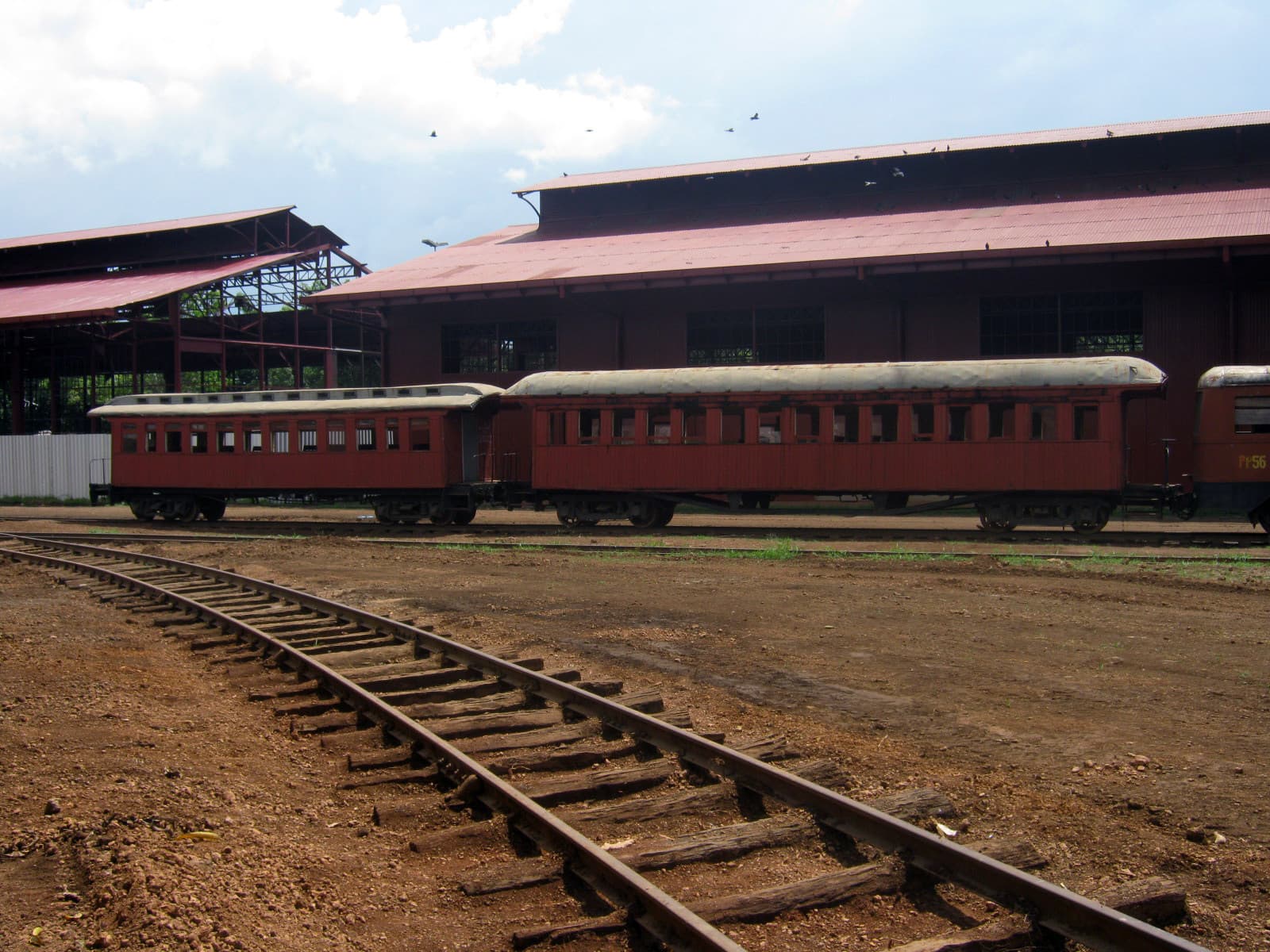
The short answer: Begin in Porto Velho, where the railway complex and city history can be read together. Add Guajará-Mirim only when the road journey, lodging, and currently visitable railway remnants are confirmed. The historic line no longer functions as a through tourist railway, so plan a heritage route between cities, not a nostalgic train ride that official sources do not promise.
Read the Rondônia first-time travel guide before expanding beyond this theme. The Rondônia destination hub links the state overview with this railway-focused route.
Learn what the railway connected
Iphan's Rondônia railway-heritage page says the Madeira-Mamoré was built between 1907 and 1912 and ran 366 kilometers between Porto Velho and Guajará-Mirim. Its construction was tied to border consolidation, the incorporation of Acre, and a route around difficult river sections for the rubber trade. Porto Velho grew as the starting city for the project.
Those facts give the route its structure. Porto Velho is not merely where locomotives happen to be displayed; the city's formation is bound to the railway. Guajará-Mirim is not an optional photo stop; it was the other end of the line near the Bolivia border. Places in between developed around stations and later changed when rail service ended.
The history also contains worker deaths, disease, displacement, and impacts on Indigenous peoples. Avoid the easy "jungle conquered by engineering" story. Read institutional displays critically, look for who is named and who is absent, and do not turn suffering into dramatic travel copy.
Use Porto Velho as the evidence base
Give Porto Velho at least one full day before leaving for another municipality. Confirm current access to the Estrada de Ferro Madeira-Mamoré complex through the city or state cultural authority. Restoration, events, river conditions, and public works can change which areas are available even when the heritage site remains visible.
At the complex, separate three layers:
- the river location and why transport needed to bypass rapids;
- the surviving railway structures, equipment, and administrative buildings;
- the later preservation and reuse of the area.
Iphan provides the national heritage context, while the Rondônia government records state preservation work and the condition of surviving railway material. Use both, then ask the site staff what is original, restored, relocated, or represented through replicas. A locomotive on display may carry a different interpretive value from a building that remains in its working location.
Add one city institution or public archive if it is open. The goal is to compare the physical site with documents, photographs, worker records, and regional history. Do not fill the day with unrelated monuments simply because they are near the center.
Decide whether Guajará-Mirim earns the transfer
The journey to Guajará-Mirim is worthwhile for travelers following the full geography of the line, but it is a substantial road move. Verify the current bus or hired-transfer option, departure terminal, travel conditions, and the return before booking a hotel. Do not quote a universal driving duration because roadwork, stops, weather, and service type change it.
Stay at least two nights if you go. The first day may be consumed by transport, and a late arrival should not force an unverified border or river activity. Use the full day for confirmed local heritage sites and for understanding Guajará-Mirim as a living border city rather than a railway endpoint frozen in time.
Ask the municipal tourist office or cultural authority which railway structures can currently be visited and whether they have interpretation on site. A pin labeled "station" may indicate a ruin, an adapted building, restricted property, or a place with no visitor facilities. Observe from public space unless access is expressly allowed.
Keep the Bolivia border as a separate decision
Guajará-Mirim faces Guayaramerín across the Mamoré River, but the existence of a border does not make an international side trip automatic. Entry rules depend on nationality, documents, current border operations, transport, and the intended length of stay. Check the relevant official Brazilian and Bolivian authorities close to travel.
Do not hand a passport to an informal intermediary or assume a short crossing falls outside immigration procedures. Confirm the authorized departure and arrival points, the vessel or ferry, operating periods, payment, and return. If any part is unclear, keep the day on the Brazilian side.
This railway article does not certify an international route. The border adds a different legal and transport layer, and it should never be squeezed between a morning heritage visit and an evening bus based on hearsay.
Build a route that leaves time to read
A workable first structure uses four or five nights:
| Night | Base | Purpose |
|---|---|---|
| 1 | Porto Velho | Arrival and river orientation |
| 2 | Porto Velho | Railway complex and one collection |
| 3 | Guajará-Mirim | Road transfer without a fixed evening tour |
| 4 | Guajará-Mirim | Confirmed local heritage and river context |
| 5, if available | Porto Velho | Return buffer before the next departure |
If the fifth night is impossible, make sure the onward ticket leaves enough margin after the return. A road service and an independently booked flight do not form one protected journey.
Travelers with only two or three nights should remain in Porto Velho. The city provides the strongest concentration of railway evidence, and cutting Guajará-Mirim removes a long transfer rather than the core of the topic.
Check claims, access, and image captions
Railway stories attract repeated legends, especially death totals, dramatic nicknames, and claims that a particular locomotive or object is unique. Use figures only when a named collection or primary record supports them. If official sources disagree or do not supply a number, describe the documented danger without inventing precision.
Caption photographs with the place and the object's known status. Do not call every rail fragment part of the original operating line. Ask staff when possible, and distinguish the Porto Velho complex, a station building, a restored vehicle, and a decorative object.
Before publication or travel, recheck the two most fragile facts: which heritage areas receive visitors and how the intercity road journey operates. The historical dates change little; access conditions can change quickly.
Sources checked
Desk research only. Stopover has not inspected the railway collections, driven the corridor, or tested any border or river service. The source review took place on August 29, 2026:
- Patrimônio Ferroviário em Rondônia - Iphan; construction period, route, territorial context, closure, and preservation history.
- Estrada de Ferro Madeira-Mamoré completa 109 anos - Government of Rondônia; state account of the railway, surviving material, and preservation work.
- Nova Mamoré e o histórico trem - Government of Rondônia; official context for settlements along the former line and the consequences of deactivation.