
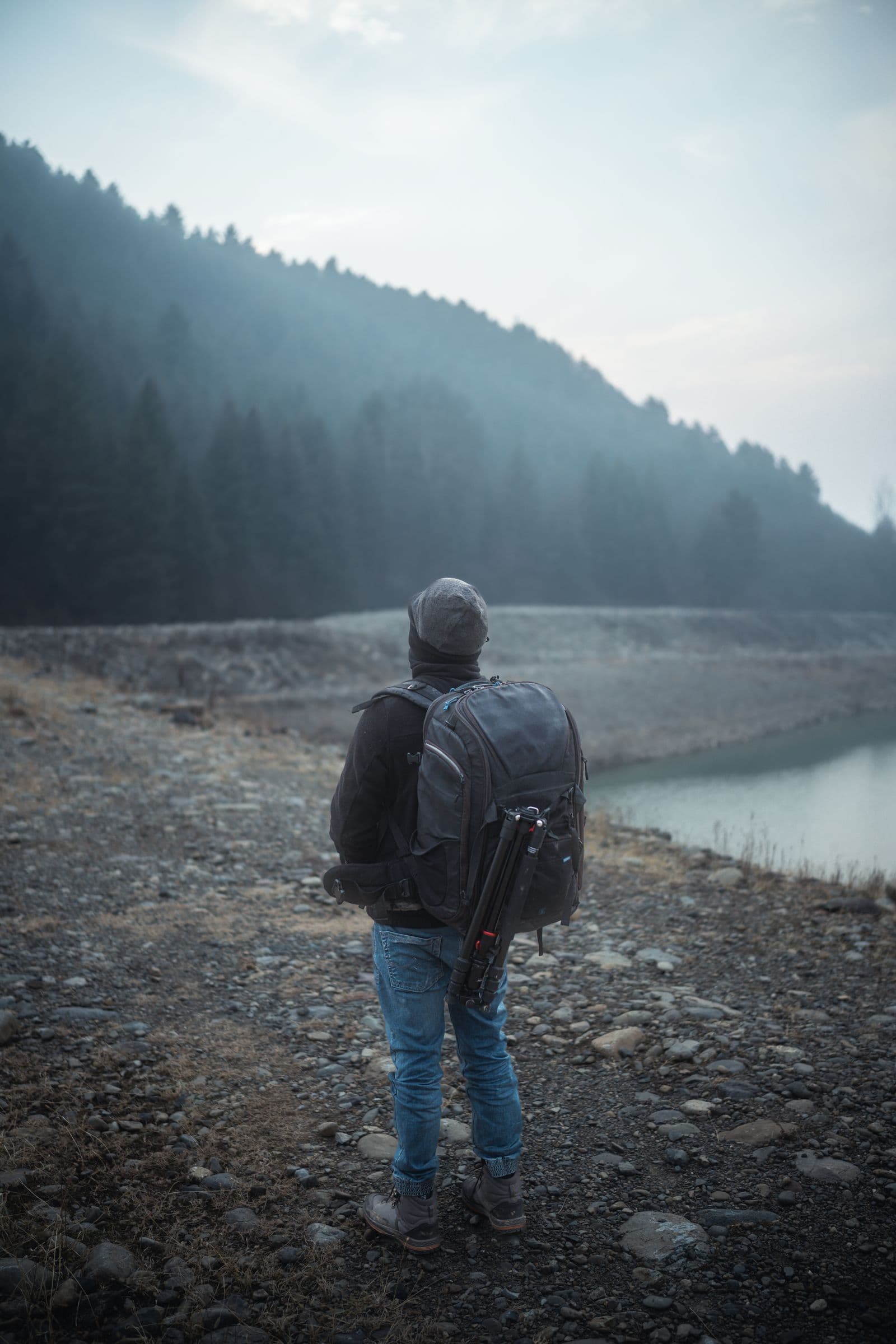
Solo travel in Brazil can be rewarding because plans can change with your interests, but every arrival, transfer, and emergency decision belongs to one person. A lightweight communication routine creates freedom without turning the trip into constant risk management.
Design the first 24 hours
Arrive at a useful hour when possible, know the exact airport or terminal, save the accommodation address offline, and choose a licensed or well-documented transfer. Book the first two nights in one place. Exploration begins after you have a working phone, water, food, and a clear return route.
Share a simple itinerary
Give one trusted contact flight details, accommodation, and any remote operator. Set a regular check-in time that matches the route. Explain what they should do if you miss it; vague “keep an eye on me” messages create anxiety without a response plan.
Choose accommodation for operations
Read recent reviews for reception hours, access, lockers, street noise, and late arrival. A social hostel is not automatically safer, and a private apartment is not automatically more comfortable. The best solo base has reliable staff or host communication and straightforward transport.
Move with a return plan
Before a beach, trail, nightlife district, or distant restaurant, know how you will return. Check the final bus or boat, app coverage, pickup point, and whether the street remains active. Do not let a driver or new acquaintance decide the destination without seeing it on your own map.
Use long-distance bus planning and domestic flight connections for the shared transport mechanics.
Phones, money, and documents
Keep the primary phone discreet and use a small amount of accessible money. Store backup payment and document copies separately. Avoid opening banking apps in exposed places. A second low-cost phone can be useful, but only if its SIM, battery, and emergency contacts actually work.
Meeting people without surrendering control
Meet in public places, tell someone where you are, control your own drink, and retain your route home. Joining a group tour can solve transport and create social contact, but verify the operator independently. You never owe a stranger details about your hotel or solo status.
Choose activities with graceful exits
Ask how a traveler can leave early, skip a segment, or return independently. A cooking class, museum walk, or city tour usually has an easy exit; a remote boat, canyon, or overnight trek does not. For the latter, understand group pace, guide authority, communication, and emergency procedure before paying. Knowing the exit makes it easier to enjoy the activity without negotiating under pressure.
Nightlife decisions
Choose the return before the first drink, stay within your limit, and use official or app-confirmed transport. Check the plate and driver in the app. If the situation changes, move to staffed premises and ask for help rather than trying to salvage the plan.
Remote nature trips
Use established guides, provide emergency contacts, and ask about communication, medical response, group size, and evacuation. Solo does not need to mean private: a small shared departure can reduce cost and add redundancy. Read the responsible wildlife guide before booking.
Language
Save Portuguese phrases for independent travel, plus a personal card with accommodation, next destination, medical needs, and emergency contact. Ask people to write times and prices.
If something feels wrong
Leave early, enter a staffed business, change transport, or abandon the purchase. Politeness is not more important than control of your location. Use current official emergency and consular channels for serious incidents.
Solo planning checklist
- First-night arrival and transfer are explicit.
- One person has the itinerary and missed-check-in plan.
- Return transport exists for every remote or late activity.
- Money, cards, and document backups are separated.
- The phone works offline for essential addresses.
- You can cancel an uncomfortable plan without losing the trip budget.
Good solo travel is not fear-free or risk-free. It is a trip where small decisions preserve your ability to choose the next one.