
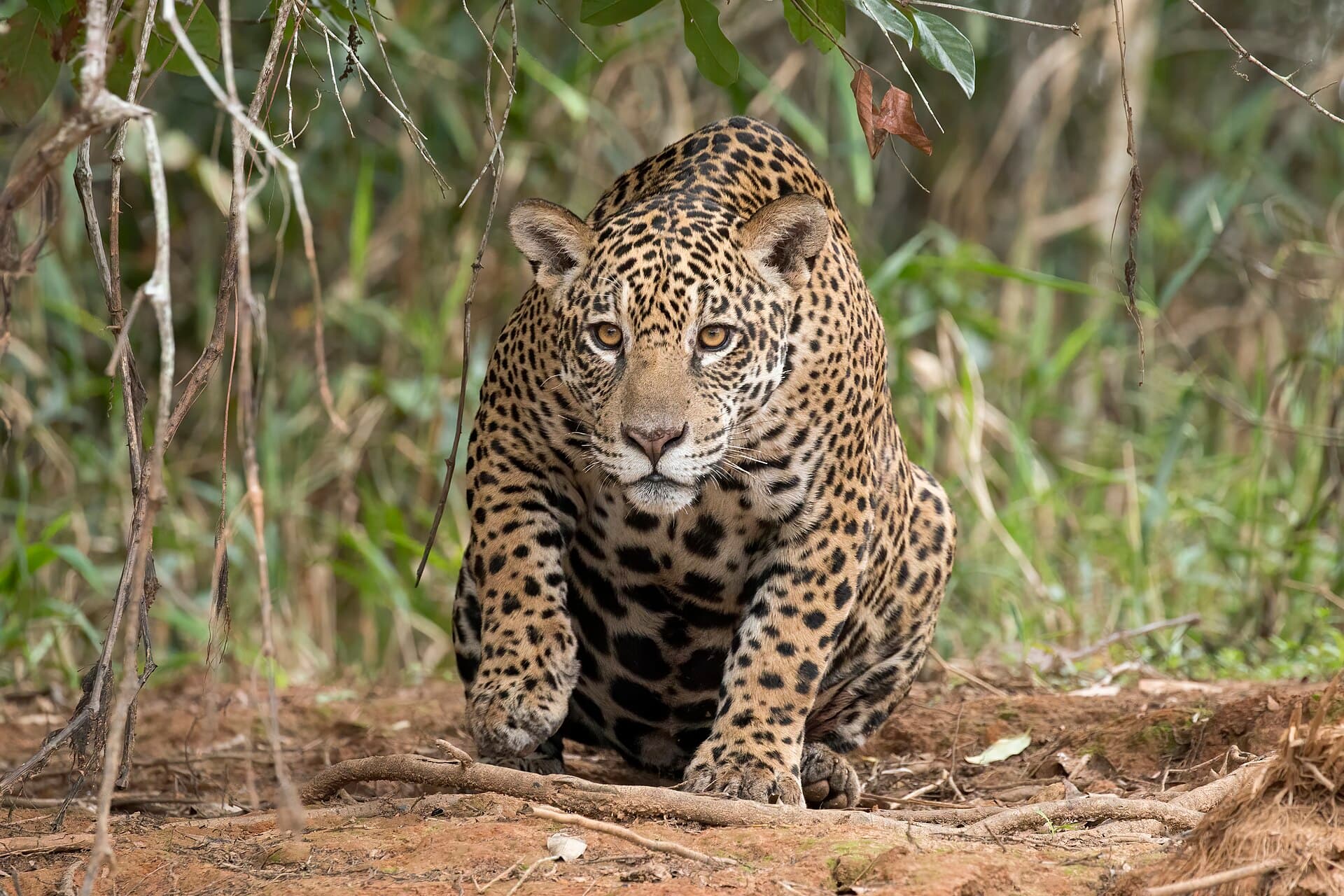
A responsible wildlife experience is defined by animal behavior, guide conduct, and habitat protection, not by how close the photograph looks. Brazil offers extraordinary viewing in the Pantanal, Amazon, Atlantic Forest, cerrado, coast, and river systems; each ecosystem needs different rules.
Start with the animal's choice
Wild animals should be free to move away. Reject tours that guarantee touching, holding, feeding, baiting, cornering, or forcing an animal into water or vegetation. Captive-animal claims such as “rescue” or “sanctuary” need independent evidence about licensing, welfare, and whether visitor contact supports exploitation.
Questions to ask before booking
- Which authority manages or licenses the activity?
- What is the maximum group size?
- How close may vehicles or boats approach?
- Is food, playback, spotlighting, or bait used?
- What happens when the animal changes direction or shows stress?
- How does the operator contribute to local conservation or monitoring?
- Are guides trained naturalists, community guides, or drivers without interpretation?
Vague conservation language is not an answer. A good operator can describe rules without promising a sighting.
Boats and aquatic wildlife
Engines, speed, and encirclement affect dolphins, whales, manatees, and river animals. Boats should avoid cutting off movement or competing for the closest position. Swimming with wildlife should occur only where explicitly regulated and ecologically appropriate; social-media precedent is not permission.
Group size changes the impact
Ask for the maximum number of guests per guide, vehicle, and boat, not only the operator's total daily capacity. Smaller groups hear more interpretation, need fewer vehicles, and can respond faster when an animal changes direction. They are not automatically ethical, however: one small boat can still chase wildlife. Judge the written behavior rules together with group size, guide authority, and the operator's willingness to abandon a sighting.
Jaguar and large-mammal viewing
In the Pantanal, multiple boats or vehicles can converge on an animal. The guide should keep distance, avoid blocking escape routes, and leave when crowding rises. Never pressure a driver to advance for a phone shot. Silence and patience produce better observation.
Night walks and spotlighting
Light can disturb nocturnal animals. Use a trained guide, keep beams away from eyes, limit duration, and avoid playback recordings that alter territorial behavior. Follow protected-area rules about trail times and equipment.
Nesting beaches and reefs
Keep away from nests, hatchlings, and marked zones. Do not handle turtles or “help” wildlife to the water unless authorized conservation staff direct it. On reefs, maintain buoyancy, never stand on coral, and avoid collecting shells or organisms.
Pair this with the safer beach-day guide for tide, swimming, and boat planning.
Indigenous and community territories
Wildlife habitat may overlap traditional territories. Access must be community-led and legally permitted. Never enter an Indigenous land or protected reserve because an informal operator says permission is unnecessary. Pay local providers fairly and follow photography instructions.
Use official information
ICMBio manages Brazil's federal conservation units and publishes visitor guidance for parks and reserves. Start with the official ICMBio public-use resources, then find the current page for the exact unit. Rules, concessions, fire closures, and guide requirements change.
Red flags
- Guaranteed close contact or guaranteed rare species.
- Guides touching, calling, or feeding animals for photos.
- No answer about permits or protected-area rules.
- Large groups surrounding one animal.
- Captive wildlife used as a selfie prop.
- Routes into restricted territories.
- “Conservation fee” with no named project or accounting.
After the trip
Do not geotag nests, dens, rare plants, or sensitive community locations. Share the operator's good practices, not only the animal close-up. Report suspected wildlife crime or welfare abuse to the relevant Brazilian authority with time, place, and evidence, without confronting people in a dangerous situation.