
A successful family trip to Brazil is built around sleep, heat, meals, transport, and age-appropriate attention spans. The destination list comes second. One memorable activity and one easy block per day usually outperform an adult itinerary with children inserted into it.
Choose a compact base
Prioritize a short transfer from the arrival gateway, food within walking distance, laundry, refrigeration if needed, and a layout where adults can rest after children sleep. Confirm stairs, balcony safety, pool barriers, cribs, and room configuration directly; a “family room” label is not a specification.
Count transitions
Every hotel change requires packing, checkout, waiting, and a new sleep environment. For a one-week trip, one base is often enough; two is the practical maximum. Use the first-destination guide to choose a region that offers variety without frequent moves.
Plan the day in three blocks
- One primary morning activity when energy and temperature are favorable.
- A long lunch and rest window.
- One optional late-afternoon walk, beach visit, or cultural stop.
The optional block is intentionally disposable. If everyone has energy, it adds value; if not, the day still succeeded.
Heat, water, and sun
Carry water and shade, use clothing and sun protection appropriate to each child, and avoid exposed midday routes. Never leave a child in a vehicle. Seek professional pediatric travel-health advice before departure for medication, vaccines, insect protection, and destination-specific risks.
Give older children ownership
Let each child choose one meal, museum theme, beach, or short activity, then show where it fits on the map. Teenagers can manage an offline address, meeting point, and family contact card without becoming responsible for adult logistics. This creates attention and practical independence while adults still control transport, documents, payments, and safety decisions.
Beach and pool planning
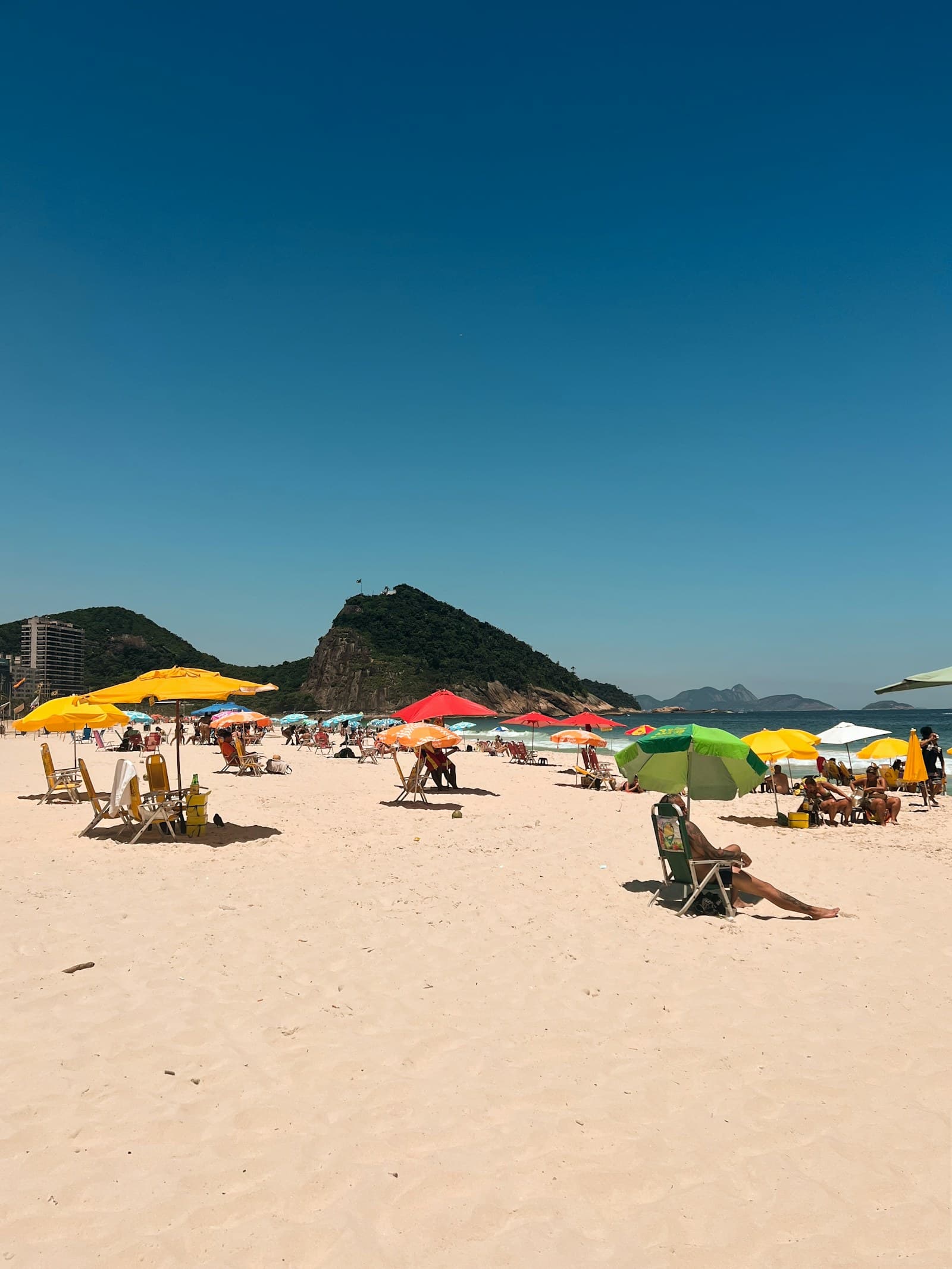
Adult supervision must be active and close, even with lifeguards or swimming lessons. Ask where conditions are recommended that day and learn tide, surf, and flag information. Inflatables are toys, not safety devices. Use the safer beach-day guide.
Transport questions
Confirm current legal and operator requirements for child restraints, airline documents, and bus travel. Do not assume a rideshare will provide a suitable seat. For private transfers, request the exact restraint in writing and inspect it before departure.
Food rhythm
Identify one dependable breakfast and one nearby fallback meal. Introduce unfamiliar dishes alongside something known, not when a child is already hungry after a long transfer. For allergies, use the dedicated Brazil allergy guide and contact remote lodges before booking.
Museums and historic sites
Choose one story, object, or scavenger question before entering. Confirm stroller access, toilets, bag policy, and family programming. Colonial streets can be steep and uneven; a baby carrier may be more practical than a stroller, but heat and fit require care.
Nature activities
Ask for minimum age, swimming ability, helmet or life-jacket sizes, trail exposure, toilets, and exit points. “Family friendly” is marketing unless the operator can describe the route. Never pressure a child into wildlife contact or an activity they cannot safely leave.
Documents and consent
Rules for children and adolescents traveling with one parent, relatives, or guardians are legally significant and can change. Verify documentation with the relevant Brazilian authority, airline, and consulate well before travel. Carry originals and protected copies as instructed.
Family budget buffer
Add money for larger rooms, flexible fares, private transfers, laundry, simple replacement activities, and a missed prepaid booking. Build the Brazil travel budget around the family's actual pace rather than an adult backpacker average.
Final check
Can the first day work after a delay? Is there food within ten minutes? Can everyone exit each activity early? Is the final night near the departure gateway? If those answers are yes, the itinerary has room for both discovery and ordinary family life.