
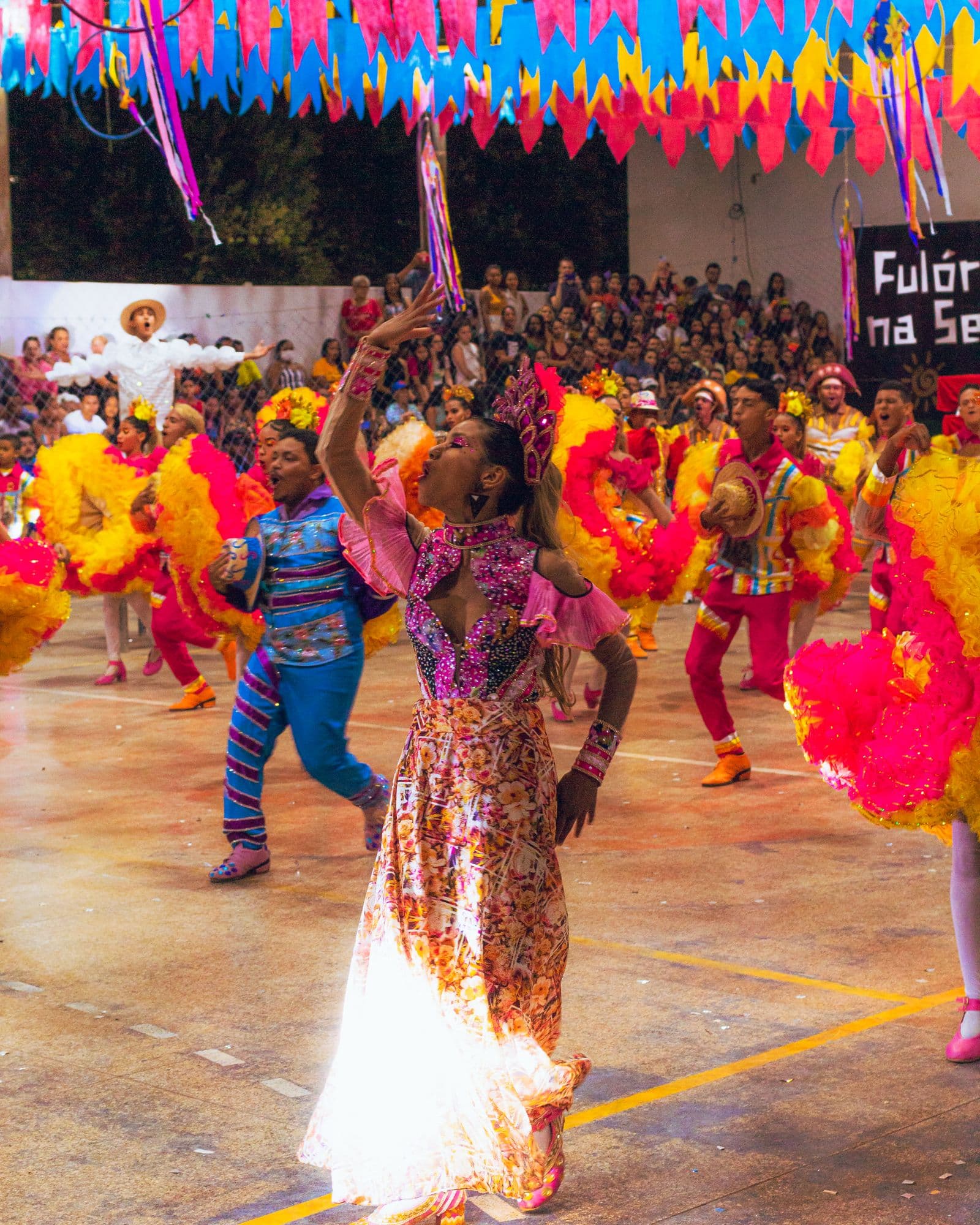
A festival trip succeeds when the event is the anchor and the rest of the itinerary protects it. Carnaval, São João, Círio de Nazaré, Parintins, Oktoberfest, religious processions, music festivals, and local celebrations each change transport, prices, street access, sleep, and the meaning of public space.
Identify the exact event
Do not book from a generic annual date. Confirm the official organizer, city, venue or street circuit, program release, ticket requirement, age rules, and whether a headline date represents opening, parade, procession, or final. Beware of unofficial packages using a famous name.
Stay for location, not luxury
Map walking routes, road closures, late-night transport, neighborhood sound, and reception hours. A cheaper hotel across a bridge or blocked parade circuit can create expensive rides and long waits. Verify whether you can physically reach the property during the event.
Arrive early
Reach the city at least one night before the irreplaceable event, and earlier if the route depends on a regional flight, boat, or long bus. Use the first day to collect credentials, test transport, buy water and simple food, and learn the return route in daylight.
Ticket and scam checks
Buy through the official organizer or clearly authorized seller. Confirm whether the ticket is named, transferable, mobile-only, or tied to identification. Never send a bank transfer because a social account creates artificial urgency. Keep the official receipt offline.
Build recovery time
Schedule no major morning activity after the event's latest night. Heat, standing, sound, alcohol, and crowds are physical workload. One slow meal and one optional museum are enough for a recovery day.
Street-event logistics
Agree on a meeting point that remains accessible if mobile networks fail. Carry minimal valuables, water within event rules, and a small amount of payment. Wear footwear that can handle hours of standing and closed streets. Keep exits and staff locations visible.
Plan for crowd separation
Every group should know two meeting points: one immediately outside the venue or circuit and one farther away that remains reachable after an evacuation or road closure. Put both in writing, agree on a waiting time, and make sure children and travelers without local connectivity carry the accommodation address. Do not stop in an exit stream to search for someone; move to the agreed point and follow organizer instructions.
Photograph the official site map and note staffed medical or information points before the crowd peaks. If the organizer changes an entrance or exit, update the group message immediately instead of relying on memory.
Respect the event's meaning
Some celebrations are religious obligations, community memory, or expressions of identity before they are tourist products. Learn basic context, follow clothing and photography guidance, and do not block processions or performers for a better image. Use the respectful photography guide.
Weather plan
Know which parts continue in rain, what lightning or heat rules apply, and whether tickets move to another date. Pack using the tropical list or Southern Brazil list, then use the rainy-season framework.
Budget categories
Separate event ticket, accommodation premium, arrival transport, late-night return, food and water, costume or required clothing, locker, and an emergency ride. Add a contingency percentage rather than hoping normal city prices survive peak demand. The Brazil budget guide provides a full worksheet.
A five-night festival structure
- Arrive, orient, and collect tickets.
- Explore the event's cultural context.
- Main event day with no competing reservation.
- Recovery and weather backup.
- One destination-focused day, then departure buffer.
A festival should deepen the destination, not erase it. Learn why the event happens, who sustains it, and how visitors can participate without consuming every space around them.