

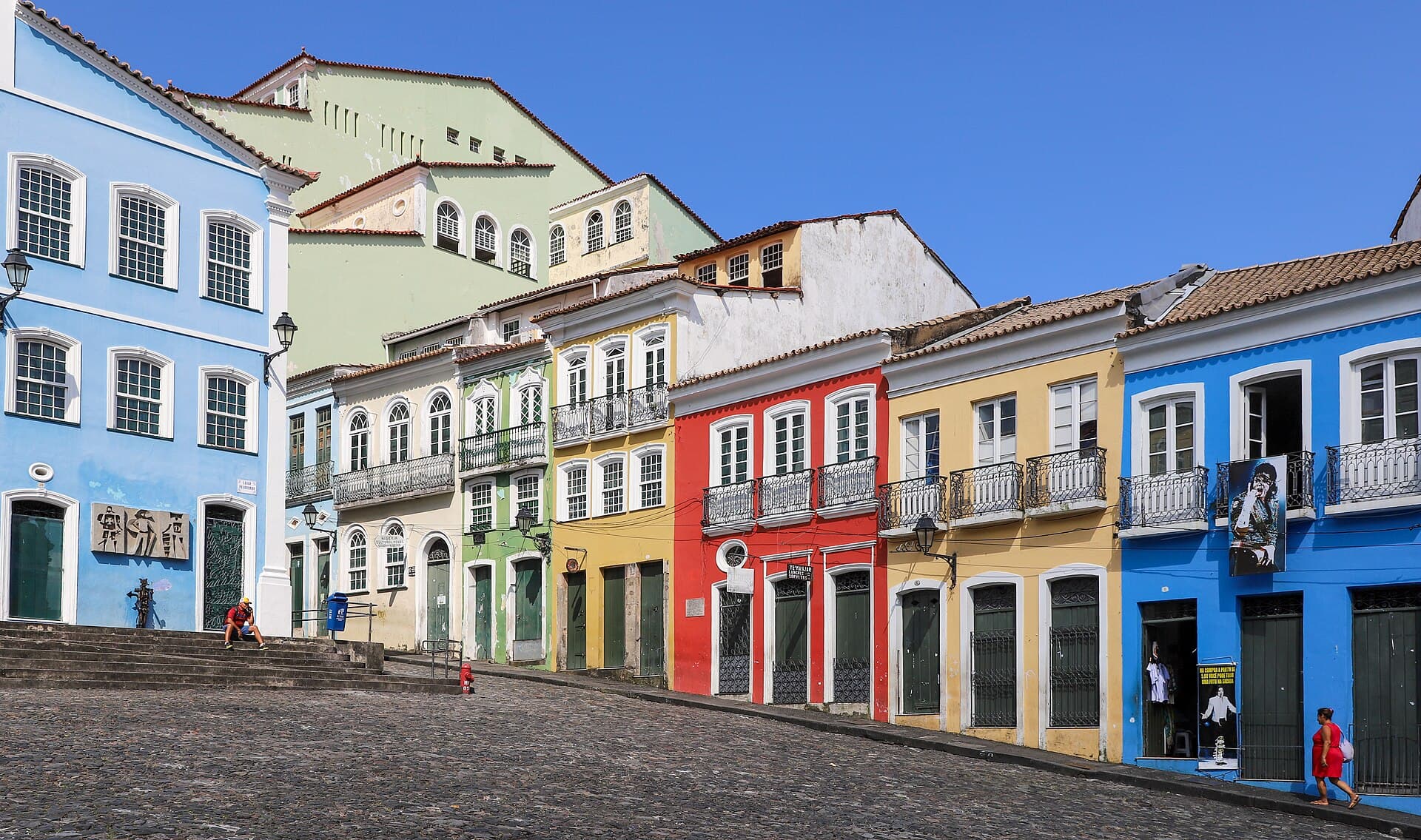
The short answer: Give Salvador its own stay, then add Cachoeira only when you can protect a full useful day in the Recôncavo. The two places belong in the same historical conversation, but they are not one continuous attraction. Salvador needs neighborhood planning and hill-aware walking. Cachoeira needs a separate transport check, current opening information, and time to read the town beyond a quick photo stop.
Use this specialist route with the wider Bahia first-time travel guide. The Bahia destination page keeps the state guide and focused articles together.
Decide whether Cachoeira is a day trip or a second base
A day trip works when you have already assigned enough time to Salvador, can confirm the outward and return journeys, and mainly want to walk the protected center. A night in Cachoeira is more sensible when cultural programming, museum hours, research interests, or a slower visit to nearby São Félix matters.
Write down the complete transport rather than a distance estimate:
Salvador accommodation to departure point + waiting + intercity journey + arrival point to historic center + return connection
Check the actual date. A departure that works on a weekday may not solve a Sunday, holiday, festival, or late return. If a driver is involved, confirm whether the booking is a one-way transfer, a vehicle waiting all day, or two independent journeys. For public transport, record the terminal at both ends and the last usable return, then keep a later recovery option.
Do not put Cachoeira between a hotel checkout and a flight. Luggage changes the walk and turns one missed connection into a larger problem. Store bags at a confirmed place or use a clean second-base plan.
Read Salvador by area, not as one old town
The historic center is the logical first heritage block, but Salvador's protected cultural landscape is broader. The Iphan Bahia heritage overview identifies several protected areas and sites across the city, including the historic center and distinct ensembles around Barra, Saúde, Bonfim, Penha, and the Atlantic edge.
Group stops that share terrain and access. Pelourinho and the upper-city center can form one walking block. Comércio and the lower city require a deliberate descent and return. Barra is another geographic cluster. Bonfim and the Itapagipe area deserve their own movement rather than an optimistic extension to an already long center day.
Before each block, check:
- the official opening page for the museum, church, fort, or cultural space;
- whether the street route includes steep grades, stairs, uneven paving, or long exposed sections;
- the return pickup point after dark or in rain;
- whether a religious building has services or community events that affect tourist entry;
- photography and conduct rules inside active worship and cultural spaces.
Listing protected buildings is not the same as confirming visitor access. Iphan documents why a place is protected. The current operator or responsible institution sets live hours and entry conditions.
Give Cachoeira a question to answer
Cachoeira is easier to understand when the visit follows the Paraguaçu River, trade, sugar and tobacco economies, religion, and Bahia's independence history. The Iphan profile of Cachoeira explains the town's river position, its connection to Salvador, and its political role in the independence struggles.
Begin around Praça da Aclamação and the protected urban center, then use museum and building access that is actually open that day. Look across the bridge toward São Félix to understand the two riverbanks. Add the second town only if the crossing, heat, opening hours, and return still leave time for the original purpose of the visit.
Avoid treating every church facade as an interchangeable stop. Choose a small number of places and read their institutional pages before arrival. If a museum is closed, the riverfront and urban form still carry the route, but do not invent access through a closed door or turn a place of worship into a backdrop.
Make room for living culture
Bahia's protected heritage includes practices as well as buildings. The Iphan Bahia overview lists registered cultural expressions with roots in the state, including samba de roda, the craft of baianas de acarajé, and capoeira traditions.
That recognition does not make every performance, terreiro, kitchen, or ceremony a visitor product. Attend public programming through the responsible organizer. Ask before photographing people, religious activity, food preparation, or private interiors. Pay stated admission and artist fees. A guide's personal connection to a community should not be used as blanket permission for a group to enter or record it.
If samba de roda is central to the trip, search for a dated public program rather than assuming an informal performance will appear. If Afro-Brazilian religion is part of your study, choose a museum, public educational program, or visit explicitly offered by the community. Do not publish exact locations or images of restricted practices without consent.
Build two realistic versions
For a shorter stay, use three independent blocks:
- Salvador historic center and lower-city connection.
- Barra or another coherent Salvador district cluster.
- A full Cachoeira day with a protected return.
For a longer stay, sleep in Salvador first, move to Cachoeira without a same-day airport commitment, and return or continue only after a second useful Recôncavo block. Extra time can cover São Félix, a current museum program, or a locally led cultural visit. It should not become a race through more protected towns simply because Iphan's material heritage page for Bahia lists them.
Keep coastal Bahia, Chapada Diamantina, and the far south out of this same short route. They require different gateways and travel logic. The state guide can help decide which one belongs in a later trip.
Run the booking check
The route is ready when every closed-door risk has a current source and every intercity movement has a return plan. Save museum and venue links, not just map pins. Recheck them shortly before the visit because conservation work, religious calendars, holidays, and local events can change access.
If Cachoeira would leave only a hurried hour between vehicles, stay in Salvador and use that day well. The Recôncavo is worth adding when the schedule allows you to understand the place, not merely prove that you reached it.
Sources checked
Desk research only; Stopover did not take this route, inspect transport, or enter the listed sites. No human or field review is claimed. Official pages were checked August 29, 2026:
- Cachoeira (BA) | Iphan; official history and protected urban-set context for Cachoeira.
- Patrimônio Mundial na Bahia | Iphan; protected areas and world-heritage context in Salvador and Bahia.
- Iphan Bahia | Iphan; state heritage overview, including protected urban ensembles and registered cultural practices.
- Patrimônio Material na Bahia | Iphan; official list and context for Bahia's protected historic towns.